
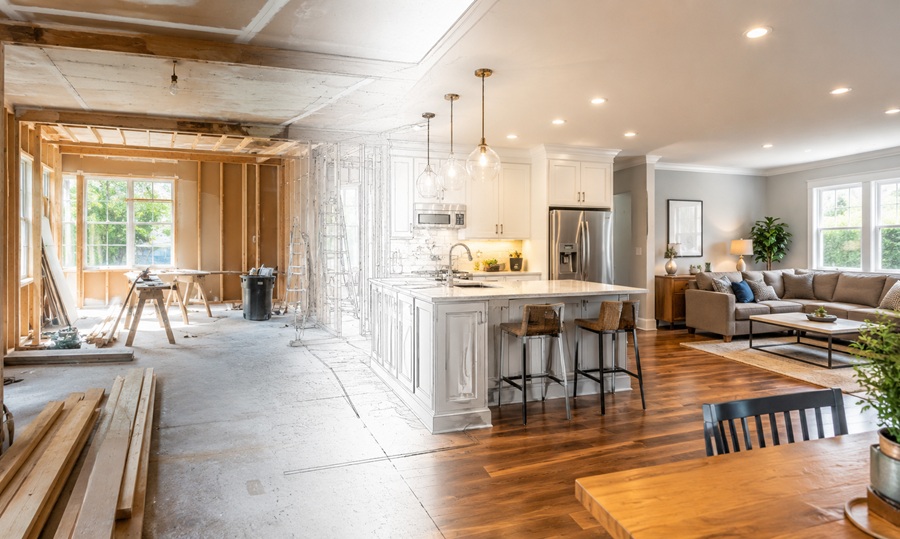

Planning a house remodel starts with defining your priorities and budget, then working backward to a realistic timeline and scope. Most homeowners run into trouble when they skip this step and jump straight to picking finishes before confirming what the project will actually cost or how long it will take. This guide breaks down the planning process, average costs by room, and the mistakes that most often derail a remodel.
Common Problems That Push Homeowners Toward a Remodel
Most house remodels start with a specific frustration: a kitchen that no longer fits how the family cooks, a bathroom that feels dated, or a floor plan that doesn’t work for a growing household. Sometimes the trigger is more urgent, like aging plumbing or electrical systems that need replacing anyway, which makes it a natural time to update the space at the same time. Identifying the actual problem you’re solving, rather than remodeling just because a room feels tired, helps keep the project focused and the budget under control.
Setting a Realistic House Remodel Budget
A good rule of thumb is budgeting 10 to 20 percent above your target number for unexpected issues, since older homes in particular often reveal problems, like outdated wiring or water damage, once walls are opened up. Break your budget down by room or project phase rather than treating it as one lump sum, which makes it easier to see where costs are creeping and adjust before the whole project goes over budget.
Financing options for a remodel include a home equity loan, a HELOC, a cash-out refinance, or personal savings. Each comes with different tradeoffs in interest rates and repayment terms, so it’s worth comparing options with a lender before finalizing your remodel scope.
Average House Remodel Costs by Room
| Room | Typical Cost Range |
| Kitchen remodel | $25,000 – $75,000 |
| Bathroom remodel | $10,000 – $30,000 |
| Basement finishing | $20,000 – $50,000 |
| Whole-home renovation | $100,000 – $300,000+ |
| Roof replacement | $8,000 – $25,000 |
Costs vary significantly by region, the age and condition of the home, and whether the project involves structural changes versus cosmetic updates.
Typical Timeline by Project Size
A single-room remodel, like a bathroom, typically takes 3 to 6 weeks from demolition to completion, while a full kitchen remodel usually runs 6 to 12 weeks depending on custom cabinetry and appliance lead times. Whole-house renovations can take anywhere from 4 to 12 months, especially if the project involves structural changes, permitting delays, or unexpected issues discovered mid-project. Building extra time into your expected timeline, similar to budgeting extra money, helps manage expectations and reduces stress if things don’t go exactly as scheduled.
Common House Remodel Mistakes
Underestimating the budget is the most frequent mistake, often because homeowners don’t account for the 10 to 20 percent contingency that experienced contractors recommend. Choosing finishes before confirming layout changes is another common issue, since a change in floor plan can make certain material choices, like flooring that needs to match an adjoining room, more complicated or expensive than expected. Skipping permits to save time or money is a mistake that can cause serious problems later, including fines and complications when selling the home, since unpermitted work often needs to be disclosed or even redone to meet code. Finally, hiring a contractor based solely on the lowest bid, without checking references or verifying licensing, is one of the most common sources of remodel horror stories.
Choosing a Remodeling Contractor
Get at least three detailed quotes before choosing a contractor, and make sure each quote breaks down labor, materials, and any allowances for finishes like tile or countertops. Verify that the contractor is licensed and insured in your state, and ask for references from recent projects similar in scope to yours. A detailed written contract, including a payment schedule tied to project milestones rather than a large upfront payment, protects you if issues come up during the project.
Do You Need Permits for a House Remodel?
Most structural changes, electrical work, plumbing changes, and additions require permits from your local building department. Cosmetic updates, like painting or replacing flooring without changing the subfloor structure, generally don’t require permits. Skipping required permits can create serious problems, including difficulty selling the home later and potential fines if the work is discovered during an inspection. A reputable contractor should handle the permitting process as part of their service and won’t discourage you from pulling permits when they’re legally required.
Remodel vs. Rebuild: Which Makes More Sense?
If your home’s foundation, structure, and major systems are in good condition, a remodel usually costs less and preserves more of the home’s original character. A full rebuild, or teardown and rebuild, makes more sense when the existing structure has significant issues, like a failing foundation, or when the desired layout changes are so extensive that working around the existing structure isn’t cost-effective. A structural engineer or experienced contractor can help assess which option better fits your specific home and goals.
DIY House Remodel: What’s Realistic
Some parts of a house remodel are reasonable for an experienced DIYer to handle, like painting, installing flooring in a straightforward room, or replacing cabinet hardware and light fixtures. Other tasks, particularly anything involving electrical, plumbing, or structural changes, should be handled by licensed professionals both for safety and because most jurisdictions require permitted work to be done by, or inspected alongside, a licensed contractor.
A hybrid approach works well for many homeowners: hiring professionals for the structural, electrical, and plumbing work, then handling cosmetic finishing touches like painting or installing trim yourself to reduce overall labor costs. Being honest about your actual skill level and available time before committing to DIY portions helps avoid a partially finished project that ends up costing more to bring in a professional to fix.
Living in Your Home During a Remodel
Deciding whether to stay in your home during a remodel depends largely on which rooms are affected and how extensively. A single bathroom or bedroom remodel is usually manageable to live around, while a full kitchen renovation often makes daily life significantly harder without at least a temporary setup, like a folding table and microwave in another room. Whole-house renovations involving major structural work, exposed wiring, or extended periods without running water typically require temporary housing, which is a cost worth factoring into your overall remodel budget from the start.
Frequently Asked Questions
How much does a whole house remodel cost?
A whole-home renovation typically costs between $100,000 and $300,000 or more, depending on the home’s size, the scope of changes, and the region.
How long does a house remodel take?
A single-room remodel usually takes 3 to 12 weeks, while a full whole-house renovation can take 4 to 12 months depending on the project’s complexity.
Do I need a permit to remodel my kitchen?
Yes, if the remodel involves electrical, plumbing, or structural changes, a permit is typically required, though minor cosmetic updates usually don’t need one.
What percentage of a home’s value should you spend on a remodel?
A common guideline is spending no more than 10 to 15 percent of your home’s value on a single room remodel to maintain a reasonable return on investment.

