
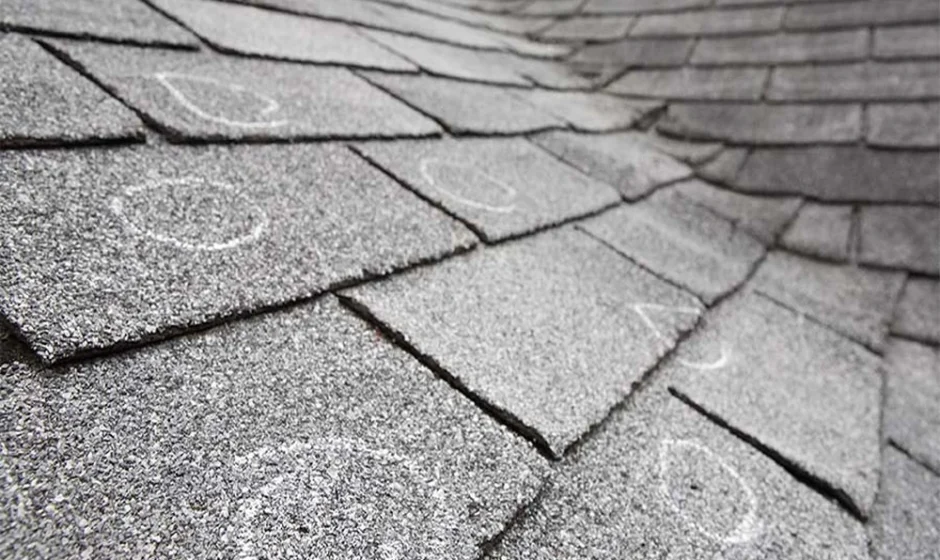

If you live around Dallas, you know the sound: a sudden rattle on the roof, a green-gray sky, and a few minutes of noise that leaves everyone wondering what just happened to the house. North Texas sits in one of the most hail-prone parts of the country, so the question after a storm is rarely whether hail fell. It is whether it did real damage.
That question matters. Miss real damage and a small problem becomes a leak. Assume damage that isn’t there and you may pay for repairs you don’t need. Whether you’re sizing up a storm yourself or comparing a roofing company in Dallas to trust with the inspection, this field guide helps you tell the difference.
Field Note One: Start With the Neighbors, Not the Shingles
Before you look at the roof, look at everything around it. According to the Insurance Institute for Business & Home Safety (IBHS), its guide on identifying hail damage begins with collateral evidence: spatter marks or dents on items like A/C units, gutters, metal flashing, downspouts and patio furniture.
Collateral damage matters because it confirms a hail event actually happened at your address. Walk the property and look for:
- Dents in metal flashing or vent caps
- Dented fins on the A/C unit
- Dings in gutters and downspouts
- Spatter marks, which are lighter patches where hail knocked dirt or oxidation off metal surfaces (spatter itself isn’t damage, just evidence)
Do this from the ground. Climbing onto a roof after a storm is risky, and a professional can do it safely.
Field Note Two: Learn the Look-Alikes
Here is where many homeowners get fooled. Plenty of marks on a roof look dramatic but have nothing to do with hail. IBHS lists several common look-alikes:
| What you see | Often mistaken for hail | What it may actually be |
|---|---|---|
| Granule loss along shingle edges | Impact damage | Normal weathering |
| Even wear or discoloration across the roof | Storm damage | Age and sun exposure |
| Small blisters or odd marks | Hail hits | Manufacturer defects |
| Scuffs and scrapes | Hail bruises | Installation or foot traffic |
| Bare patches after heavy rain | Hail scouring | Rain can knock granules loose |
The pattern is the giveaway. Wear and weathering tend to be uniform, while hail hits scatter randomly.
Field Note Three: Recognize the Real Thing
Once you’ve confirmed collateral damage and ruled out the look-alikes, IBHS says to look for these signs of genuine hail damage:
- A random pattern of impact marks across the shingles
- Bruising, meaning soft spots you can feel when pressing on a shingle
- Cracks or breaks where hail struck
- Ridge cap damage, since ridge caps are especially vulnerable on asphalt shingle roofs
Bruises are easy to miss with your eyes and obvious to the touch, which is one reason a trained inspector gets better results than a quick look from the driveway.
Field Note Four: What to Do in the First Week
IBHS recommends a clear order of operations once you suspect hail damage:
- Call your insurance agent first. They will explain coverage and next steps.
- Make temporary repairs, such as tarping exposed areas, to prevent water damage.
- Hire a reputable roofer. Look for a licensed, bonded and insured professional with a local address.
- Get multiple estimates, and don’t give in to high-pressure sales.
- Check credentials. Ask whether the roofer is a National Roof Contractors Association member or manufacturer certified.
- Confirm permits will be pulled if your jurisdiction requires them.
- Beware of storm chasers. Unsolicited offers to inspect or repair your roof are a classic warning sign.
Keep photos, dates and receipts for everything you do.
Field Note Five: Rebuild Smarter
If the roof does need replacing, hail is a chance to choose better materials. IBHS advises choosing shingles rated “Good” or “Excellent” in its shingle performance ratings, and notes these products are tested to UL 2218 or FM 4473 hail-resistance standards. Ask any contractor what impact rating the shingles carry and whether the product is a good fit for North Texas storms.
Where a Local Contractor Fits In
A good local roofer helps in three ways: inspecting safely, documenting the damage clearly for your claim, and doing the repair or replacement right.
Vanguard Roofing & Construction is based in Allen, just north of Dallas, and says it handles repairs, installations and replacements on every kind of roof for commercial and residential properties, with a focus on storm damage. It also does remodeling, painting and siding work, which can be handy when storm damage extends beyond the roof. You can reach the team at (469) 878-4858.
Quick Reference Card
Save this checklist after your next storm:
- Look from the ground first, never climb
- Photograph dents, spatter and visible damage with dates
- Rule out look-alikes: edge wear, even fading, installation marks
- Report to your insurer before signing anything
- Get more than one written estimate
- Ask about licensing, bonding, insurance and permits
The Takeaway
Hail damage is a pattern, not a single mark. Read the whole property, know the look-alikes, and bring in qualified help before deciding what to do. That approach protects both your roof and your wallet.